Event Lighting and Décor: The Secret Behind Stunning Function Venues

How Professional Event Décor Transforms Ordinary Venues into Extraordinary Experiences
July 31, 2026
Marquee Tents vs Stretch Tents: Which Is Best for Your Event?
August 31, 2026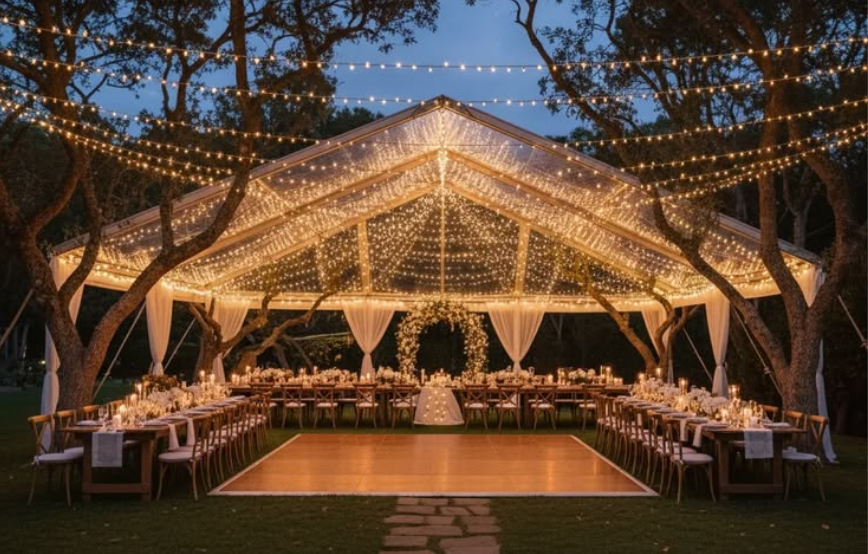
The difference between an ordinary function venue and an unforgettable event space often comes down to how the environment makes guests feel. Furniture, décor, layout, and styling all contribute to the experience, but one element has the ability to completely change the atmosphere of a space: lighting.
Professional Event Lighting does much more than illuminate a venue. It creates mood, highlights important features, complements the décor, guides attention, and helps bring the entire event design together. A simple venue can take on a completely different character once the right combination of lighting and styling is introduced.
Whether planning a corporate event, wedding, gala dinner, product launch, awards evening, or private celebration, lighting should be considered alongside Event Décor from the beginning of the planning process. When these elements work together, they can transform a venue into an immersive environment that guests remember long after the event has ended.
Why Lighting Is Essential to Event Success
Lighting affects almost every visual element within a function venue.
The same furniture, table settings, floral arrangements, and décor can look dramatically different depending on how they are illuminated. Bright functional lighting may be appropriate during setup, but it rarely creates the atmosphere required for a sophisticated evening function.
Professional lighting allows event organisers to control how guests experience the space.
Soft, warm illumination can create intimacy and elegance. Dramatic feature lighting can build excitement around a stage or product display. Carefully positioned uplighting can transform plain walls, draping, or architectural features into part of the décor.
Lighting can also help establish different zones within a venue.
A reception area may require welcoming illumination, while a dining section benefits from softer lighting. A presentation stage needs stronger visual focus, and entertainment or dance areas can use more dynamic effects.
There is also a practical side to lighting.
Entrances, pathways, stairs, catering areas, and other important spaces need sufficient visibility for guests and event teams to move comfortably. Successful Event Design therefore balances atmosphere with functionality.
When lighting is considered from the start rather than added as an afterthought, it becomes an integral part of the event experience.
Popular Event Lighting Techniques
Different lighting techniques serve different purposes, and professional event setups often combine several approaches to achieve the desired result.
Ambient Lighting
Ambient lighting provides the general illumination within an event space.
Rather than relying on harsh overhead lights, event designers can use softer illumination to create a welcoming atmosphere that complements the décor.
For dinners, weddings, and formal corporate functions, ambient lighting often establishes the overall mood of the venue.
Uplighting
Uplighting is positioned at floor level and directed upwards towards walls, draping, structures, or architectural features.
It is a highly effective way to add colour, depth, and visual interest to a venue without requiring excessive decorative elements.
Uplighting can also be coordinated with company colours for corporate events or selected to complement wedding and function colour palettes.
Feature Lighting
Some areas deserve additional attention.
Feature lighting can highlight stages, floral installations, entrance displays, branded areas, centrepieces, or important architectural elements.
By directing the eye towards specific features, lighting helps establish visual hierarchy throughout the venue.
Decorative Lighting
Lighting fixtures themselves can become part of the décor.
Chandeliers, pendant lights, festoon lighting, suspended installations, and other decorative fixtures add character while providing illumination.
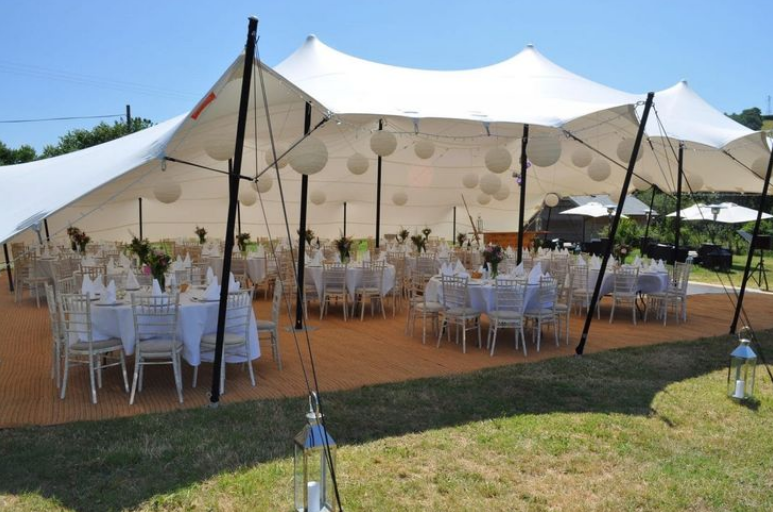
These features are particularly effective in tents and large venues where overhead space provides opportunities for dramatic installations.
Stage and Presentation Lighting
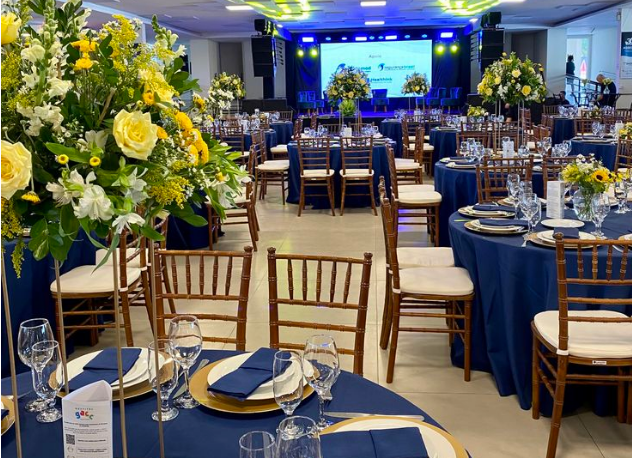
Corporate functions, awards evenings, conferences, and product launches often require dedicated lighting for stages and presentation areas.
The stage is frequently the focal point of the event, meaning lighting needs to provide visibility while helping speakers, displays, and branding stand out.
Professional planning ensures stage lighting complements the rest of the venue rather than feeling disconnected from it.
Matching Lighting with Décor Themes
The most successful Function Styling happens when lighting and décor are planned as one concept.
Lighting should enhance the selected colour palette, furniture, flowers, draping, table settings, and decorative features rather than compete with them.
For an elegant formal event, warm lighting can complement sophisticated furniture, neutral colours, and carefully styled tables.
A modern corporate function may use cleaner lighting effects, illuminated branding, and colour accents that reflect the organisation’s identity.
Weddings may incorporate romantic ambient lighting, chandeliers, candles, or feature lighting around floral installations and dance areas.
Outdoor functions provide additional opportunities to combine décor with creative lighting. Trees, tent structures, pathways, lounges, and entertainment areas can all become part of the visual experience after sunset.
Colour is especially important.
A lighting colour that looks attractive on its own may clash with table linen, flowers, furniture, or branded elements. This is why lighting selections should form part of the wider Event Design process.
Professional event specialists consider the entire visual environment before deciding how each area should be illuminated.
Creating Different Moods for Different Events
Not every event should feel the same.
Lighting gives organisers enormous flexibility to create an atmosphere that suits the purpose of the occasion.
Corporate Functions
Corporate events often need to balance professionalism with engagement.
Conferences and presentations may require clean, focused lighting around stages and displays, while networking areas can use warmer lighting to create a more relaxed environment.
Corporate colours can also be introduced subtly through uplighting or illuminated branding.
Product Launches
Product launches often benefit from greater drama.
Feature lighting can draw attention to the product, create anticipation, and reinforce branding. The lighting can also change throughout the event as guests move between arrival, presentation, networking, and entertainment stages.
Weddings
Wedding lighting usually focuses heavily on atmosphere.
Warm illumination, decorative fixtures, candles, chandeliers, and feature lighting can create a romantic setting while highlighting important areas such as the bridal table, dance floor, or floral installations.
Lighting also becomes particularly important for evening wedding receptions when the atmosphere changes after sunset.
Gala Dinners and Awards Evenings
Formal celebrations benefit from sophisticated lighting that reinforces the importance of the occasion.
Tables may use warm ambient illumination while stronger lighting highlights the stage and awards presentations.
The contrast between these areas creates visual interest without compromising guest comfort.
Outdoor Functions
Outdoor events often experience the most dramatic transformation through lighting.
A venue that relies on natural surroundings during the day can become an entirely different environment at night.
Lighting tents, pathways, trees, dining areas, lounge spaces, and entertainment zones helps create atmosphere while ensuring guests can move comfortably throughout the event.
Common Lighting Mistakes to Avoid
Effective Venue Lighting requires more than installing attractive fixtures. Several common mistakes can undermine an otherwise impressive event setup.
One of the biggest mistakes is treating lighting as a last-minute consideration.
Décor, furniture, tenting, staging, and lighting often depend on one another. Leaving lighting until the end can limit installation options and prevent the design from achieving its full potential.
Another mistake is using too much lighting.
Brighter does not automatically mean better. Excessive illumination can remove atmosphere and make sophisticated décor appear flat.
Poor colour selection can also create problems. Lighting needs to complement the décor palette, branding, and desired mood.
Ignoring practical lighting requirements is equally problematic. Guests still need to see entrances, pathways, stairs, tables, and facilities clearly.
Outdoor events require additional planning because lighting may depend on temporary power infrastructure. Electrical requirements therefore need to be established before installation begins.
Finally, organisers should consider how the venue changes throughout the event.
The lighting required when guests arrive may not be the same as the lighting needed during dinner, presentations, or entertainment. Planning for these transitions creates a more dynamic and polished experience.
Conclusion
Exceptional events are created when individual elements work together rather than competing for attention.
Professional Event Lighting and Event Décor are particularly powerful when planned as part of the same creative concept. Lighting can enhance colours, highlight décor, transform architecture, define different spaces, and create an atmosphere that supports the purpose of the event.
From corporate functions and product launches to weddings, gala dinners, and outdoor celebrations, thoughtful lighting helps turn an ordinary venue into an experience.
The most successful approach considers lighting alongside furniture, décor, tenting, layout, and event infrastructure from the beginning.
When every element is carefully coordinated, the venue does more than look impressive. It creates an atmosphere guests can feel, experience, and remember.
Frequently Asked Questions
Why is lighting important at events?
Event lighting creates atmosphere, improves visibility, highlights important décor and architectural features, and helps define different areas within a venue. It can significantly influence how guests experience the event.
What types of event lighting are available?
Event lighting can include ambient lighting, uplighting, feature lighting, decorative fixtures, stage lighting, pathway lighting, and other solutions selected according to the venue and event requirements.
How does lighting affect event décor?
Lighting changes how colours, furniture, flowers, draping, centrepieces, and other décor elements appear. Well-planned lighting enhances these features and helps create a cohesive overall event design.
Can lighting be customised to suit a theme?
Yes. Lighting can be selected and configured to complement event colour palettes, corporate branding, décor themes, and the atmosphere required for different areas of the venue.
What lighting works best for evening events?
The best solution depends on the event and venue. Evening functions often combine ambient lighting with feature, decorative, pathway, and functional lighting to create atmosphere while maintaining visibility and guest comfort.