
Corporate Event Décor Trends That Create Memorable Brand Experiences
June 30, 2026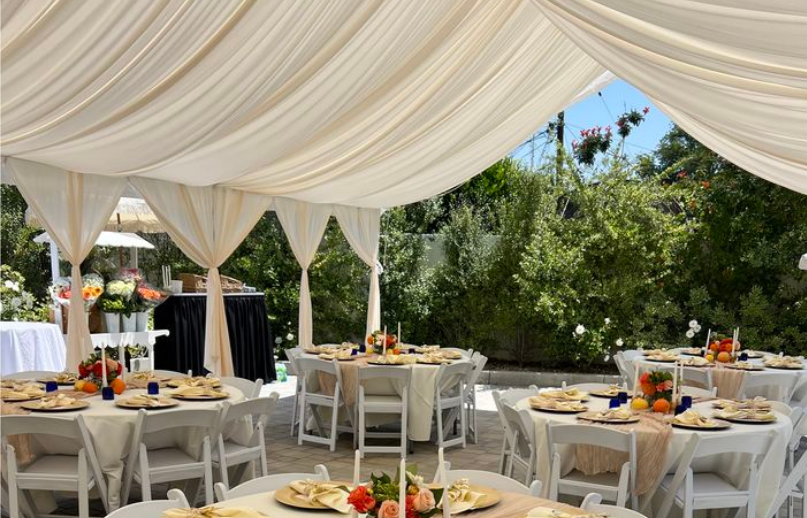
Outdoor events offer a unique atmosphere that indoor venues often struggle to replicate. Whether it’s a corporate function, wedding, product launch, private celebration, or community gathering, outdoor spaces provide flexibility, natural beauty, and endless opportunities for creative event design.
However, successful outdoor events require careful planning. Unlike indoor venues where many essentials are already in place, outdoor functions demand a complete event setup strategy that considers everything from weather protection and power supply to décor, seating, lighting, and guest comfort.
A well-planned outdoor function feels effortless to attendees, but behind the scenes, numerous elements must work together seamlessly. Missing even a single component can affect the guest experience and create unnecessary challenges on the day of the event.
This comprehensive event setup checklist will help ensure your outdoor function is both memorable and successful.
Start with a Detailed Event Plan
Every successful outdoor event begins with careful planning.
Before choosing décor, furniture, or tenting solutions, event organisers need to establish the event’s purpose, guest numbers, venue requirements, and desired atmosphere. Understanding these factors creates a foundation for every decision that follows.
Start by identifying:
- The type of event being hosted
- Estimated guest attendance
- Venue location
- Event duration
- Desired theme or style
- Budget considerations
- Technical requirements
- Catering needs
Once these details are established, it becomes easier to determine the infrastructure, décor, and logistical support required.
A detailed plan also helps identify potential challenges early, allowing time to develop practical solutions before event day arrives.
Choosing the Right Tent for Your Event
One of the most important decisions in Outdoor Event Planning is selecting the appropriate tent.
Tents provide protection from the elements while helping define the event space. They create structure, improve guest comfort, and provide a foundation for décor and event styling.
Different events require different tenting solutions.
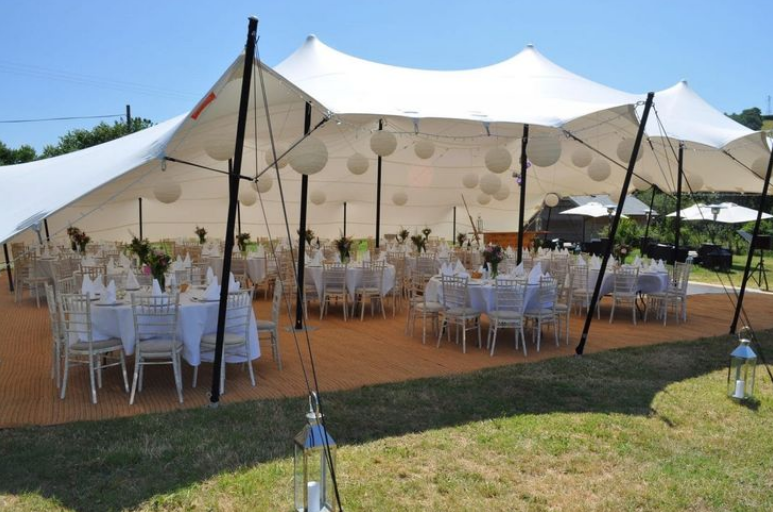
For elegant weddings and sophisticated corporate functions, clear-span structures often provide a clean and versatile environment that can be customised extensively. Stretch tents offer a more contemporary appearance and work particularly well for relaxed outdoor celebrations.
Factors to consider when selecting a tent include:
- Guest capacity
- Venue size
- Weather conditions
- Event type
- Décor requirements
- Flooring needs
- Lighting installation requirements
Professional tent providers can recommend solutions that align with both practical requirements and desired aesthetics.
Importantly, tent selection should never be treated as a standalone decision. The tent must integrate seamlessly with furniture, décor, lighting, and event infrastructure to create a cohesive experience.
Essential Event Infrastructure Requirements
Event infrastructure forms the backbone of any successful outdoor function. While guests may focus on the décor and entertainment, infrastructure ensures everything operates smoothly behind the scenes.
Flooring
Flooring is often overlooked during planning, yet it plays a critical role in guest comfort and event presentation.
Outdoor surfaces are not always suitable for formal events. Uneven ground, grass, mud, and loose gravel can create safety concerns and make movement difficult for guests.
Professional flooring solutions provide:
- Stable walking surfaces
- Improved accessibility
- Enhanced comfort
- Protection from wet conditions
- Better furniture stability
Flooring also contributes significantly to the overall visual appearance of the event, helping create a polished and professional environment.
Lighting
Lighting serves both functional and aesthetic purposes at outdoor events.
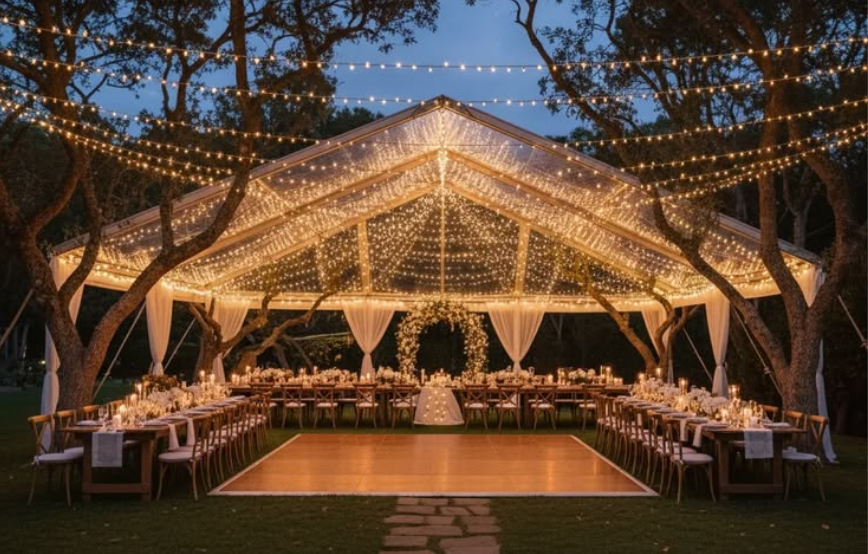
Practical lighting ensures safe movement throughout the venue, particularly during evening functions. Decorative lighting enhances atmosphere and transforms ordinary spaces into visually striking environments.
Popular outdoor lighting options include:
- Ambient lighting
- Festoon lighting
- LED uplighting
- Pathway lighting
- Feature lighting
- Decorative chandeliers
- Stage lighting
Thoughtfully designed lighting creates mood, highlights key areas, and significantly improves the guest experience.
Power Supply
Many outdoor venues lack sufficient electrical infrastructure to support modern event requirements.
Power is often needed for:
- Lighting systems
- Audio equipment
- Presentation technology
- Catering equipment
- Charging stations
- Climate control systems
A professional event team will assess power requirements in advance and ensure adequate supply through generators or temporary electrical installations where necessary.
Failing to plan for power requirements can disrupt an event and impact multiple service providers simultaneously.
Seating Arrangements
Seating directly influences guest comfort, interaction, and event flow.
Different event types require different seating configurations. Corporate conferences may benefit from theatre-style seating, while networking events often perform better with flexible lounge arrangements.
When planning seating, consider:
- Guest numbers
- Accessibility requirements
- Event activities
- Networking opportunities
- Catering layouts
- Presentation visibility
The goal is to balance comfort, functionality, and aesthetics while supporting the objectives of the event.
Creating an Inviting Atmosphere with Décor
While infrastructure provides functionality, décor creates the emotional experience.
Professional Outdoor Function Décor transforms basic outdoor spaces into engaging environments that reflect the event’s purpose and personality.
Key décor considerations include:
- Colour schemes
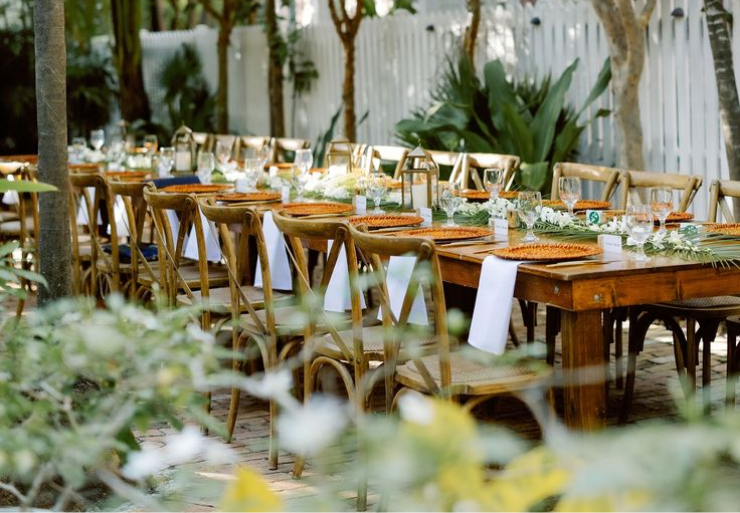
- Furniture styling
- Floral arrangements
- Table settings
- Entrance features
- Branding elements
- Lounge areas
- Decorative lighting
For corporate events, décor can reinforce branding through strategic use of colours, signage, and visual elements.
For weddings and private celebrations, décor often focuses on creating atmosphere, elegance, and memorable visual experiences.
The most successful outdoor events achieve a balance between aesthetics and practicality, ensuring décor enhances rather than obstructs guest comfort.
Creating distinct zones within an event space can also improve functionality. Reception areas, dining spaces, networking zones, entertainment sections, and relaxation areas each benefit from tailored styling approaches.
When planned effectively, décor contributes significantly to guest engagement and event success.
Preparing for Weather Challenges
Weather remains one of the biggest variables in outdoor event planning.
While favourable weather can enhance an event, unexpected conditions can quickly create challenges if adequate preparations have not been made.
A comprehensive weather contingency plan should address:
- Rain protection
- Wind management
- Heat management
- Cold-weather solutions
- Ground protection
- Equipment protection
Tents play a critical role in weather preparedness, providing shelter while maintaining event continuity.
Additional measures may include:
- Sidewalls
- Heating systems
- Cooling solutions
- Covered walkways
- Alternative layouts
Event planners should monitor forecasts closely while ensuring contingency measures are ready well in advance.
Preparing for weather challenges helps minimise disruption and protects both guests and equipment.
Final Event Day Checklist
As the event approaches, a final review helps ensure nothing has been overlooked.
Key items to verify include:
✓ Tent installation completed
✓ Flooring secured and level
✓ Lighting tested and operational
✓ Power supply confirmed
✓ Furniture arranged correctly
✓ Décor installed and inspected
✓ Signage positioned appropriately
✓ Catering areas prepared
✓ Audio-visual equipment tested
✓ Weather contingency measures ready
✓ Staff briefed and assigned responsibilities
✓ Emergency procedures communicated
Conducting a final walkthrough allows organisers to identify any last-minute adjustments before guests arrive.
Attention to detail during this stage often makes the difference between a good event and an exceptional one.
Conclusion
Successful outdoor events require much more than selecting a beautiful venue. Careful planning, professional infrastructure, thoughtful décor, and reliable event management all contribute to creating memorable experiences.
From choosing the right tent and flooring to implementing effective lighting, seating, and weather contingency measures, every component plays a role in the overall success of the event.
By following a comprehensive event setup checklist and working with experienced event professionals, organisers can minimise risk, maximise guest comfort, and create outdoor functions that leave lasting impressions.
Whether planning a corporate event, wedding, product launch, or private celebration, investing in proper preparation ensures that every detail contributes to a seamless and successful event experience.
Frequently Asked Questions
How far in advance should an outdoor event be planned?
Most outdoor events should begin planning several months in advance. Larger functions may require even longer timelines to secure venues, tenting, infrastructure, décor, and supplier availability.
What type of tent is best for outdoor functions?
The ideal tent depends on guest numbers, venue conditions, event style, and weather requirements. Professional event companies can recommend the most suitable solution based on specific event needs.
What event infrastructure is required for outdoor events?
Common infrastructure requirements include tents, flooring, lighting, power supply, staging, seating, climate control solutions, and audio-visual equipment.
How do you prepare for bad weather?
Weather preparation includes tenting, sidewalls, flooring protection, heating or cooling systems, equipment protection, and contingency plans for unexpected conditions.
What should be included in an event setup checklist?
An event setup checklist should include venue preparation, tent installation, flooring, lighting, power supply, seating arrangements, décor installation, catering logistics, weather contingencies, and final operational checks.